0
Countries Around the World
0
Sessions Run per Day
0
Sessions Run per Month
Why Brain Training?
NeurOptimal® is an advanced neurotechnology designed to train the brain to function at peak performance levels. This innovative form of neurofeedback is not a medical treatment, but rather a training for the brain.
It doesn’t matter what your starting point is — EVERY brain can benefit and tap into its own unique optimal state.
Explore why NeurOptimal® may be right for you.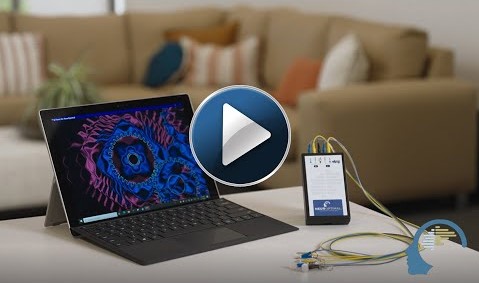
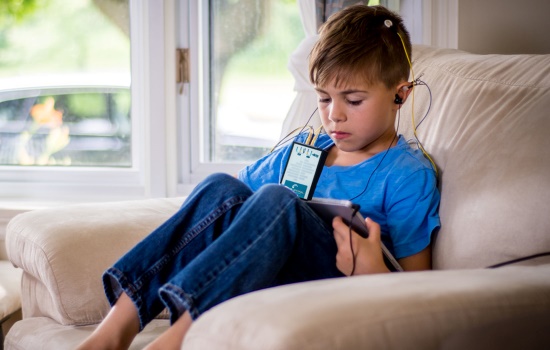
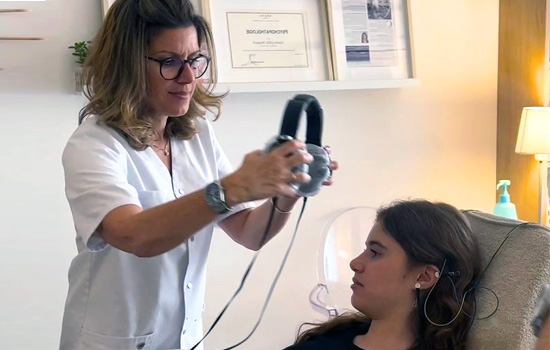
Who is NeurOptimal® for? Everyone.
Discover the Power of NeurOptimal®
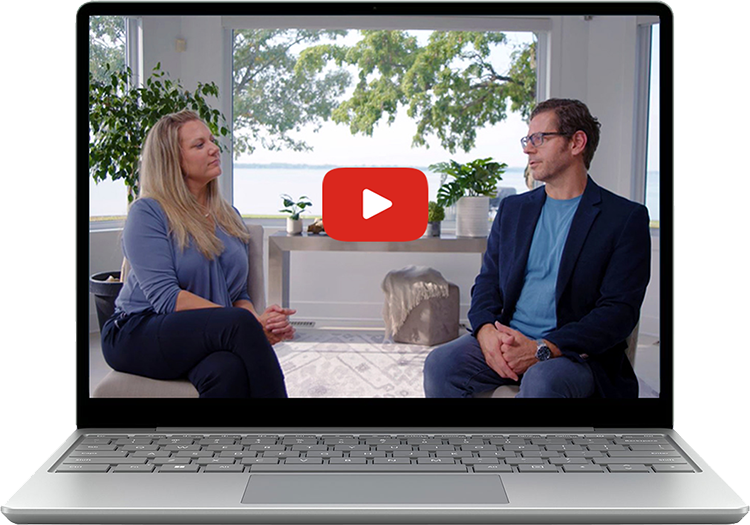
Through this 3-part video series, we provide valuable insights into what NeurOptimal® offers, how it operates, and how it can positively impact you and your business.
WHAT YOU WILL LEARN:
-
What makes NeurOptimal® different.
-
How NeurOptimal® works.
-
How to run a NeurOptimal® Session.
-
Explore business opportunities.
Hear from our community
- Bells Water Gardens
- Ludivine Lasnier Sifi
- Real People, Real Stories
- Scared (A Story of Resilience)
- Natalie's Story
Getting Started
Purchase
Own your NeurOptimal® brain training system and take the first step towards lasting change.
Shop Now0% Finance
Discover which NeurOptimal® solution pairs with the best financing option for you. Explore our 0% payment plan options.
Finance OptionsLease-To-Own
Explore the flexibility offered by the NeurOptimal® Lease-To-Own Program.
Give It a TryFree Consultation
Curious about NeurOptimal®? Schedule a free consultation. Discover how neurofeedback can enhance your life. Explore the possibilities with our product experts.
Chat with Us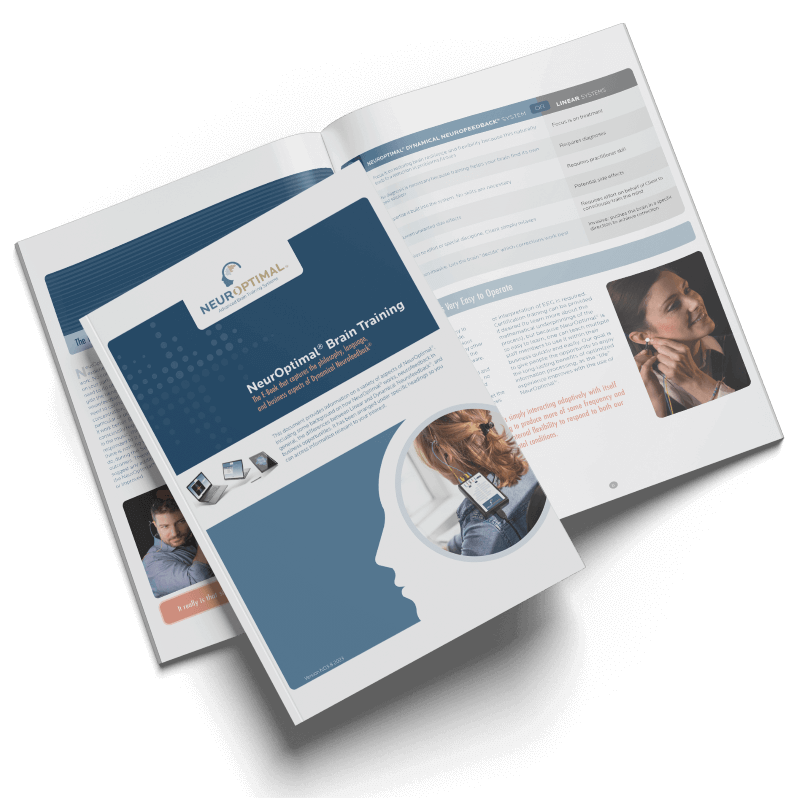
Discover the Power of NeurOptimal® with Our FREE E-Book!
Whether you’re interested in personal or business use, our guide provides valuable insights into the most advanced brain training system available. Learn how NeurOptimal® works, its benefits, and the exciting business opportunities it provides. Download our FREE E-Book now!
Get Your E-Book